Hemingway’s Key West: The Island Style Behind a Literary Legend
Inside Hemingway’s Key West world—and how its dark woods, woven textures, tropical greenery, and Cuban influences continue to shape relaxed resort interiors.
Ernest Hemingway came to Key West for a car and found an island that would shape a defining chapter of his life. The fishing, friendships, tropical light, and easy exchange between Key West and Havana became part of his work—and part of the mythology that still surrounds him.
His island years also offer a revealing lesson in tropical living. The most memorable rooms are not themed or overly decorated. They are practical, collected, and comfortable: dark wood against pale walls, European antiques beside local pieces, open windows, shaded gardens, and objects gathered through travel.
From an unexpected arrival to a lasting Key West legacy
First Impressions
Ernest and Pauline Hemingway arrive in Key West and initially stay at the Trev-Mor property at 314 Simonton Street, later renamed Casa Antigua.
Whitehead Street
The couple settles into the Spanish Colonial–style house at 907 Whitehead Street, purchased with help from Pauline’s uncle.
The Key West Years
Writing, deep-sea fishing, friendships, and regular passages between Florida and Cuba define Hemingway’s island life.
A Living Landmark
The home, writing studio, gardens, and celebrated polydactyl cats preserve an unusually vivid sense of place.
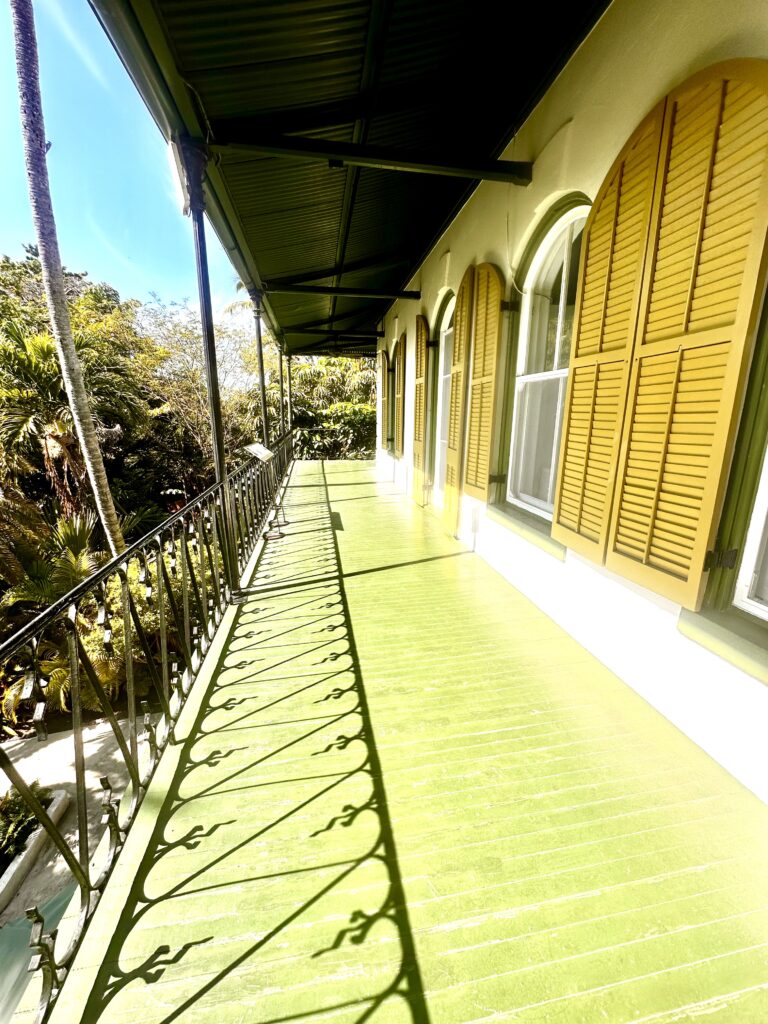
A house shaped by travel, work, and tropical life
The Whitehead Street house was built in the nineteenth century and adapted to the rhythms of island living. Its broad verandas, high ceilings, shuttered openings, and thick masonry walls offered relief from the heat long before air-conditioning became commonplace.
Inside, European antiques and travel mementos sit comfortably within a relaxed tropical setting. The effect is layered rather than coordinated—an approach that makes the rooms feel personal, not preserved behind glass.
The six-toed cats of Whitehead Street
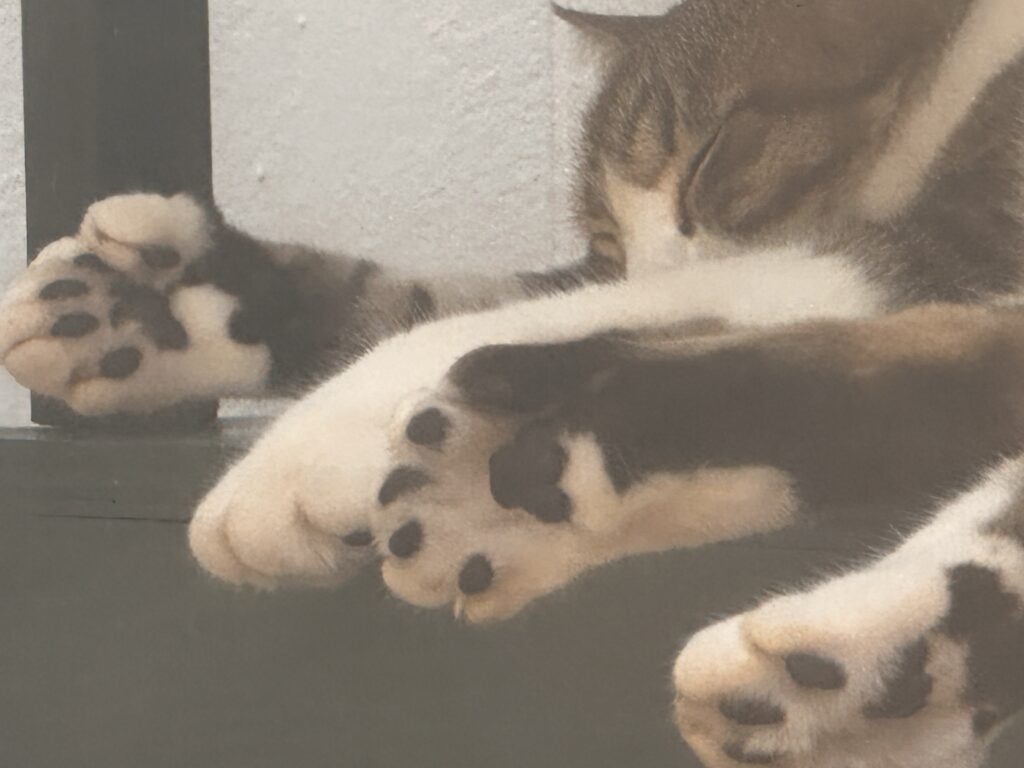
Nearly 60 cats live at the Hemingway Home today. Many carry the polydactyl gene associated with Hemingway’s original six-toed cat, and each is named in the tradition of giving the cats the names of notable people.
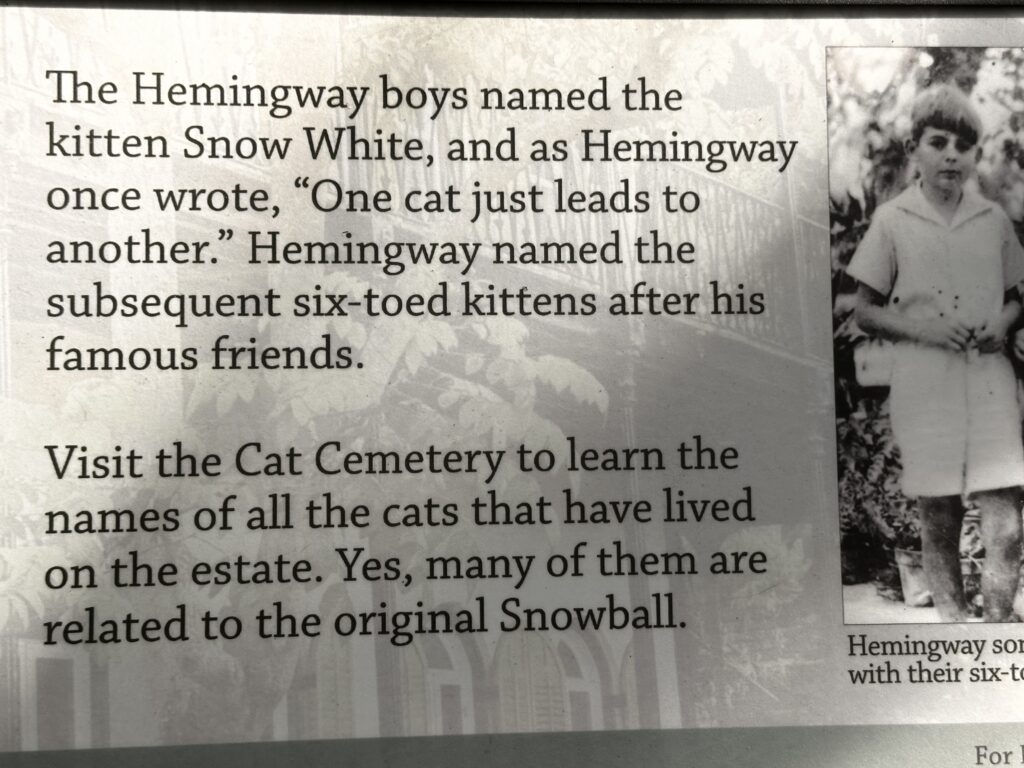
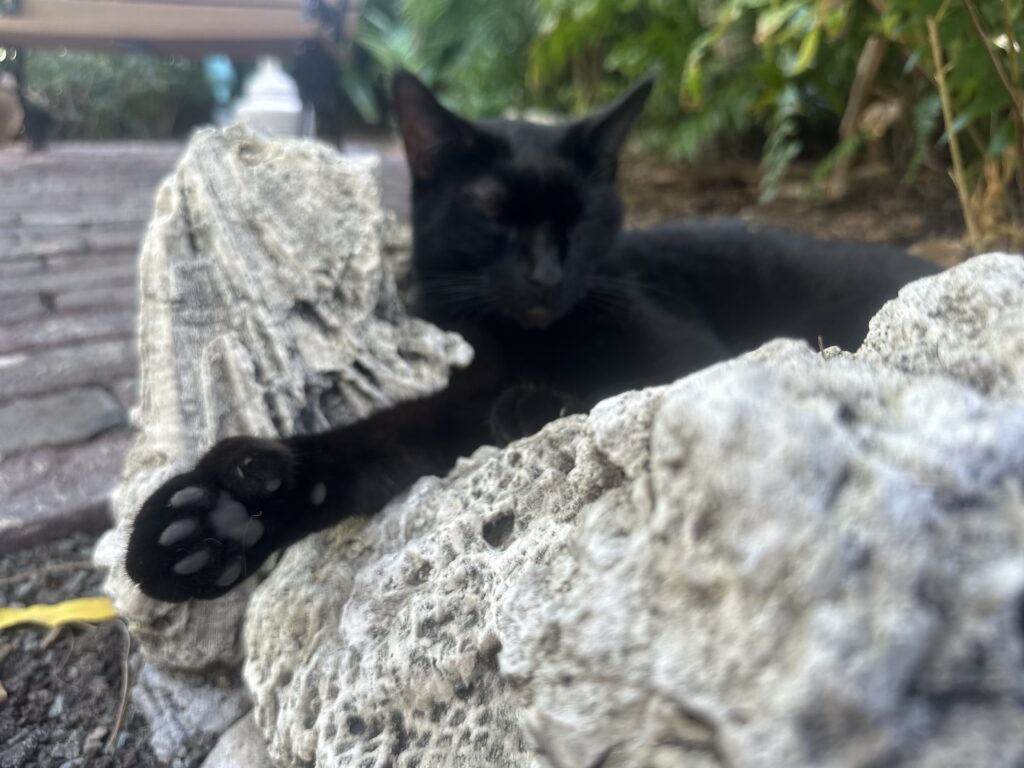
Hemingway’s Key West haunts
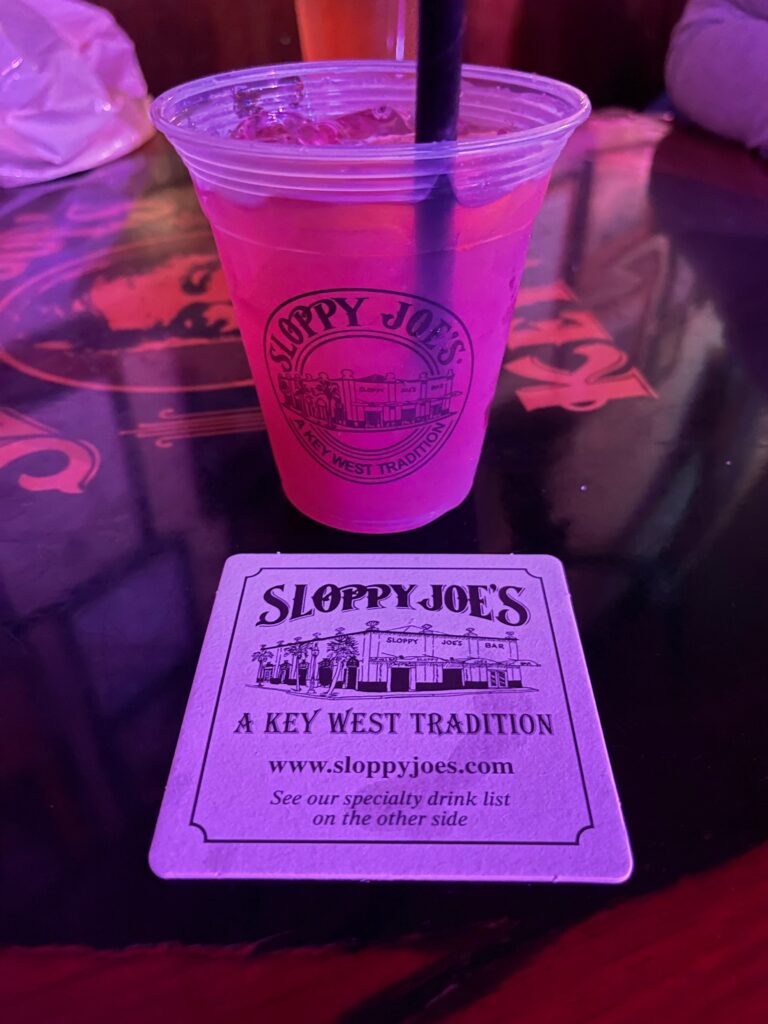
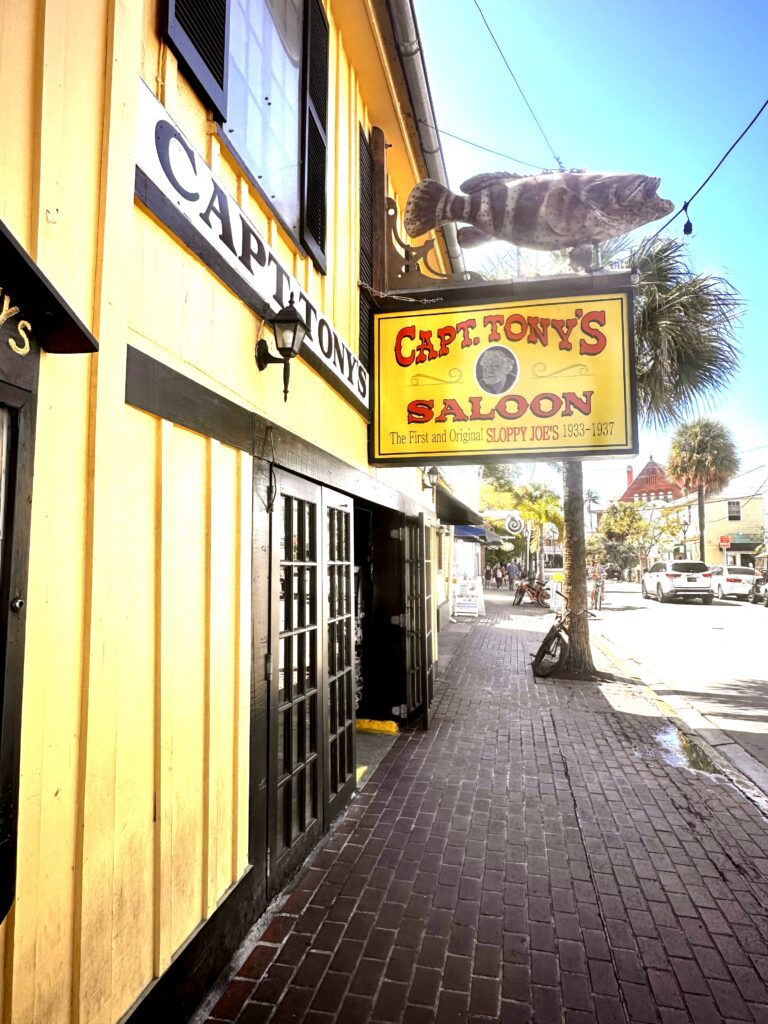
Two islands, one enduring design conversation
After his Key West years, Hemingway made his home at Finca Vigía outside Havana and kept his boat, Pilar, at the fishing village of Cojímar. The connection was more than geographic. Key West and Havana share an architectural language shaped by Spanish Colonial buildings, tropical heat, maritime trade, and rooms intended to breathe.
That shared history gives Land2Shore’s British Colonial and Havana Modern collections their depth. The look is strongest when the pieces feel gathered over time rather than purchased as a matching set.
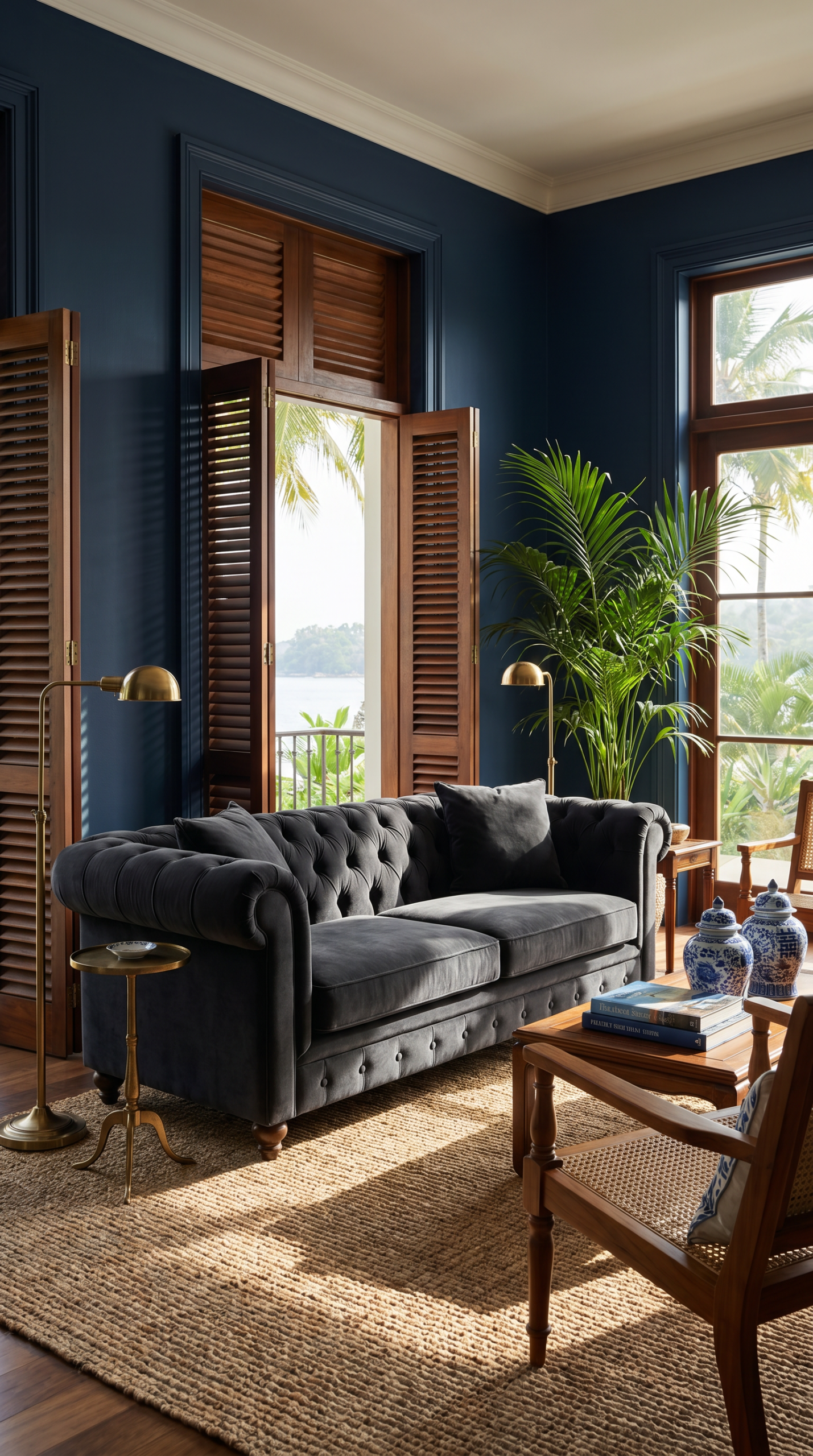
- Dark tropical woods
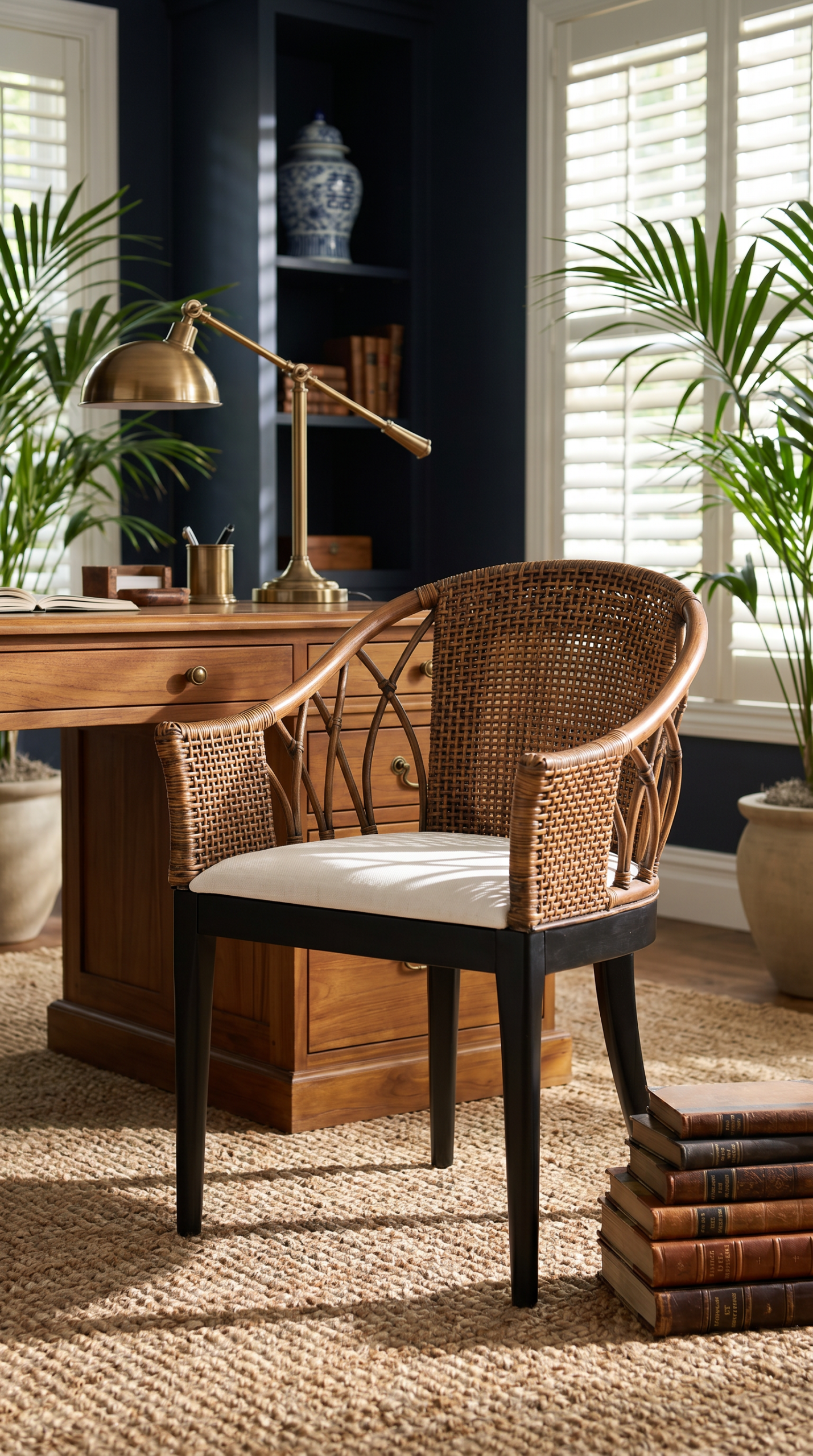
- Cane and woven texture
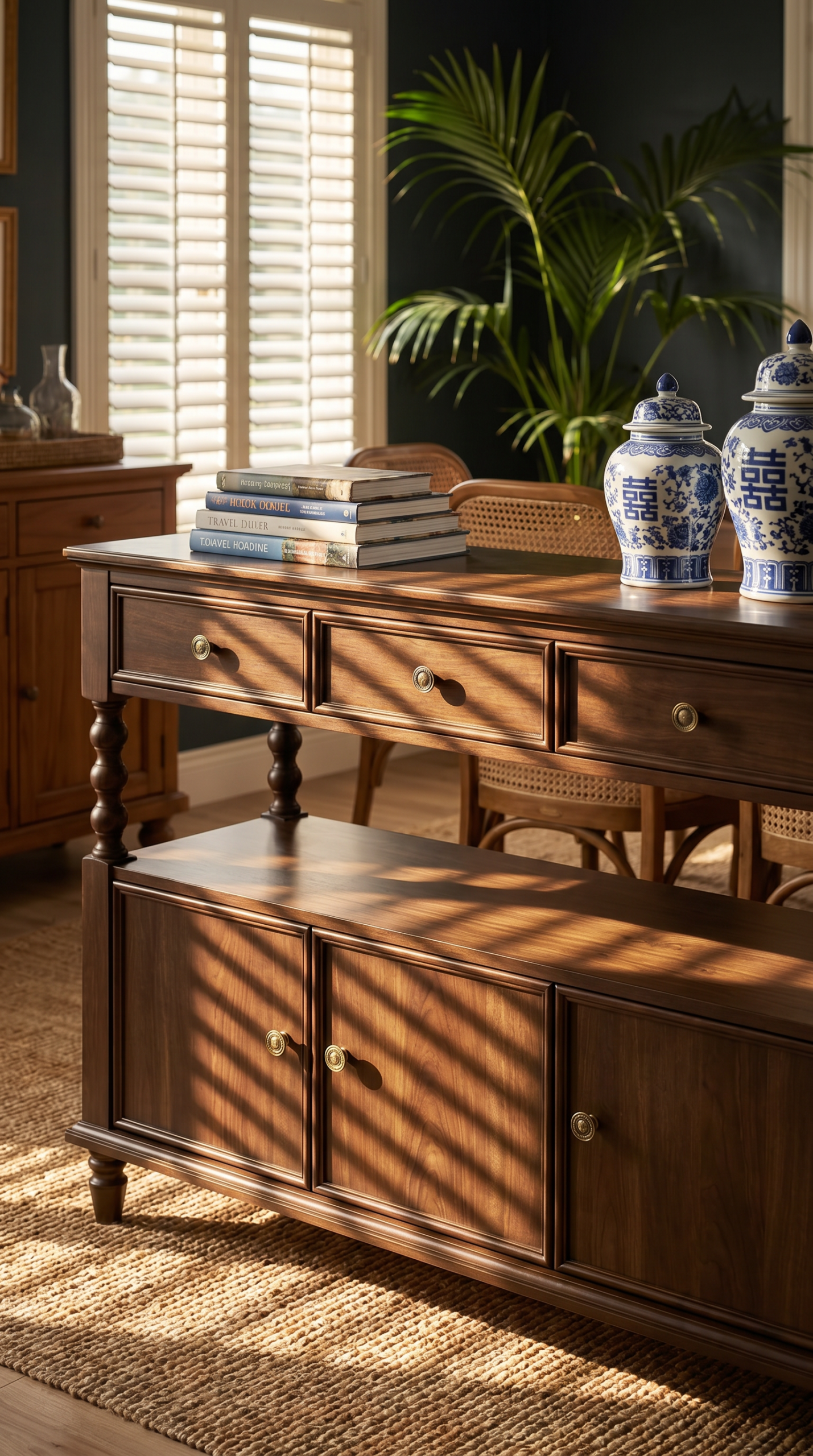
- Aged brass and patina
- Botanical forms
- Shaded, airy rooms
- Objects with a story
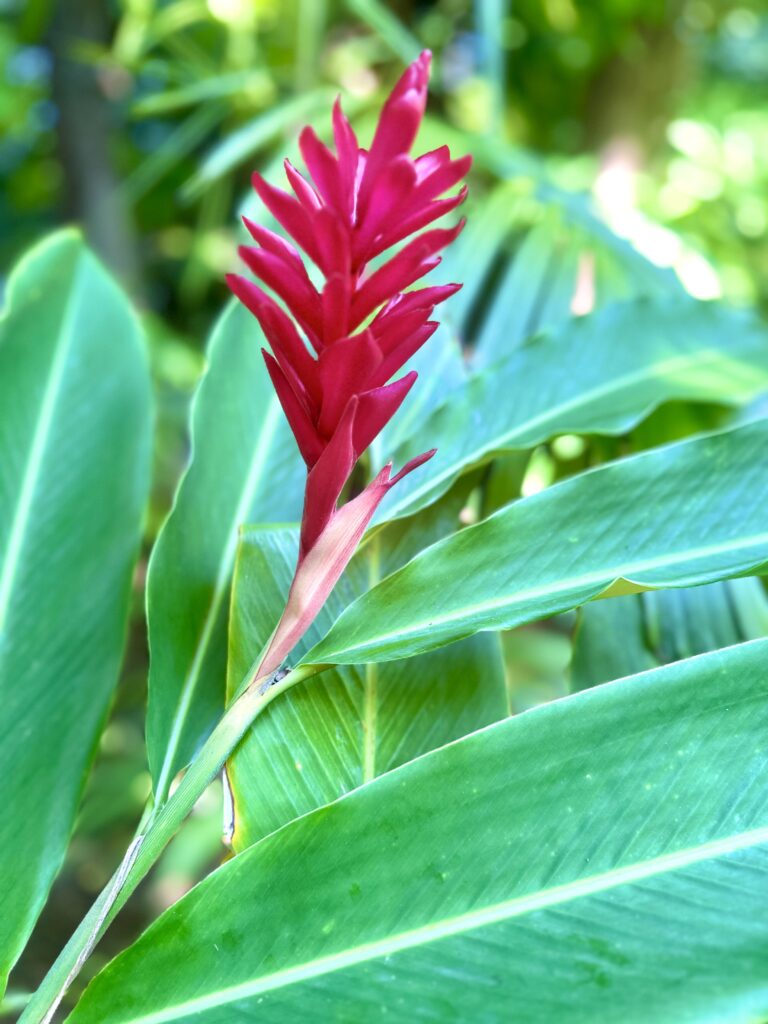
Collected, never costumed
The goal is not to recreate a historic room. It is to capture its confidence: useful furniture, honest materials, tropical ease, and enough restraint to let every well-chosen piece matter.
Anchor with Dark Wood
Mahogany, walnut, and warm cherry give airy rooms structure and depth.
Layer Cane and Rattan
Use woven texture on a chair, shade, basket, or headboard—not everywhere at once.
Finish with Patina
Aged brass, timeworn leather, and collected pottery keep the room from feeling new.
Keep It Sun-Washed
Cream, sand, tobacco, deep green, and faded blue balance the heavier elements.
Choose a Story
Books, botanical art, and travel finds should reveal the people who live there.
Bring a little Key West home
Explore a curated mix of dark wood furniture, woven accents, tropical textiles, warm metals, and collected finishing details chosen to bring this storied island style into modern rooms.
As an Amazon Associate, Land2Shore earns from qualifying purchases.